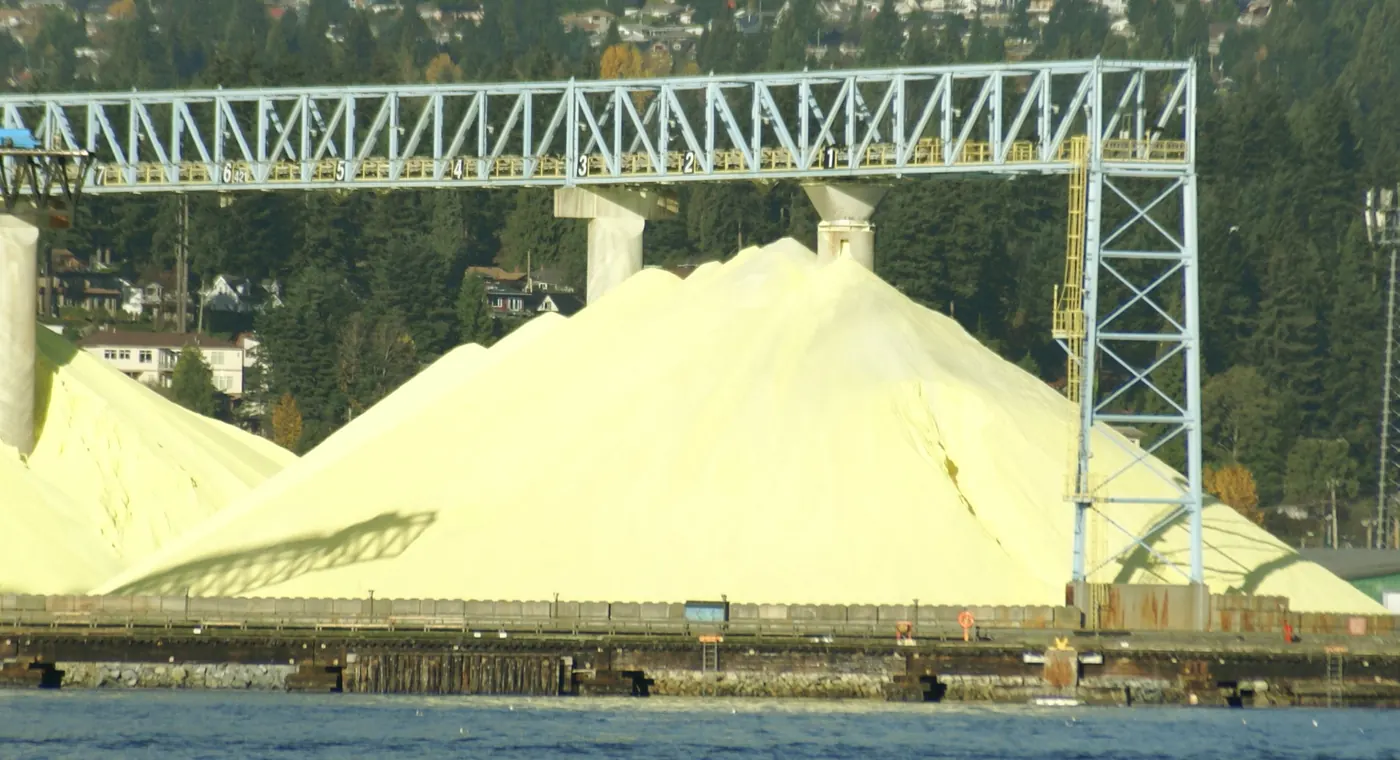
As October comes to a close, one thing looks fairly clear to me: the balance is tilting toward buyers. Spot demand is soft, Chinese domestic prices are falling, and the phosphate sector is going through its usual seasonal slowdown — together these three are setting the tone for the coming weeks.
On China, it remains the main driver of global price formation. Domestic prices are falling and buyers are taking a cautious approach, which is keeping import demand in check. Inventories look lower than the same period last year, but that hasn't translated into real buying momentum — demand is already weak, and competition from alternative raw materials is adding further pressure.
The picture coming out of the Middle East looks similar. Sales to India have slowed, and producers are showing more flexibility on November shipments. To me, this is a clear sign that competition among regional suppliers is intensifying and that buyers have gained the upper hand.
Black Sea and Baltic prices are also declining, but one thing worth keeping in mind: judging competitiveness on FOB price alone can be misleading. Freight, insurance, port bottlenecks, and regional risk premiums all factor into the true delivered cost — skip those and you don't see the full picture.
In the short term, the setup is straightforward: buyers are cautious, phosphate demand is weak, and that points to continued downward pressure. But the supply side shouldn't be ignored. Geopolitical developments in the Middle East, shipping conditions through the Strait of Hormuz, Black Sea logistics, and rail constraints in Central Asia can all shift supply availability and delivery timelines fairly quickly. So while further price softening looks likely, it would be a mistake to assume this is a straight line down.
Where I land on all this: the market may be tilting in buyers' favor, but the lowest price doesn't always mean the best deal. Cargo verification, allocation, loading capacity, freight, insurance, payment security, and delivery reliability all need to be weighed together — deciding on price alone is risky right now. In particular, long-term fixed-price agreements signed without confirmed allocation or a clear loading schedule can leave both buyer and seller exposed to unnecessary risk.
Going forward, what will set people apart won't be who offers the lowest price, but who can combine competitive pricing with confirmed supply, contract certainty, and reliable execution. The market may become more price-sensitive, but reliability still remains the deciding factor.