
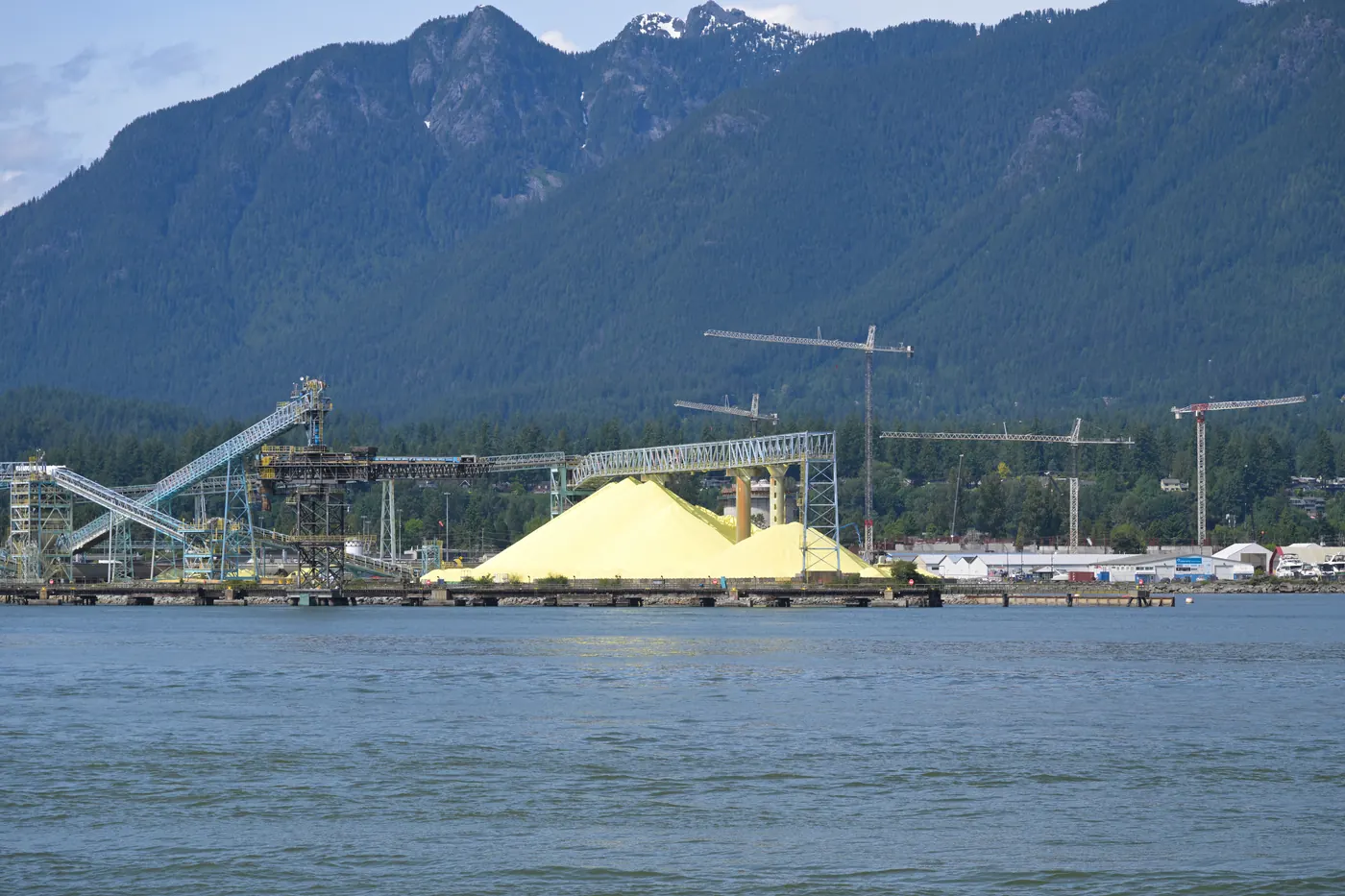
Bulk vessel
Holds inspected before loading. Suited to annual programmes with monthly liftings.
Logistics
We work with licensed carriers and forwarders who meet every physical, regulatory and contractual requirement on the route — and hold them to it.
Logistics
Every bag carries the Lion Global print: brand, product, net weight, lot number and production date — so a lot can be traced back to its analysis report.
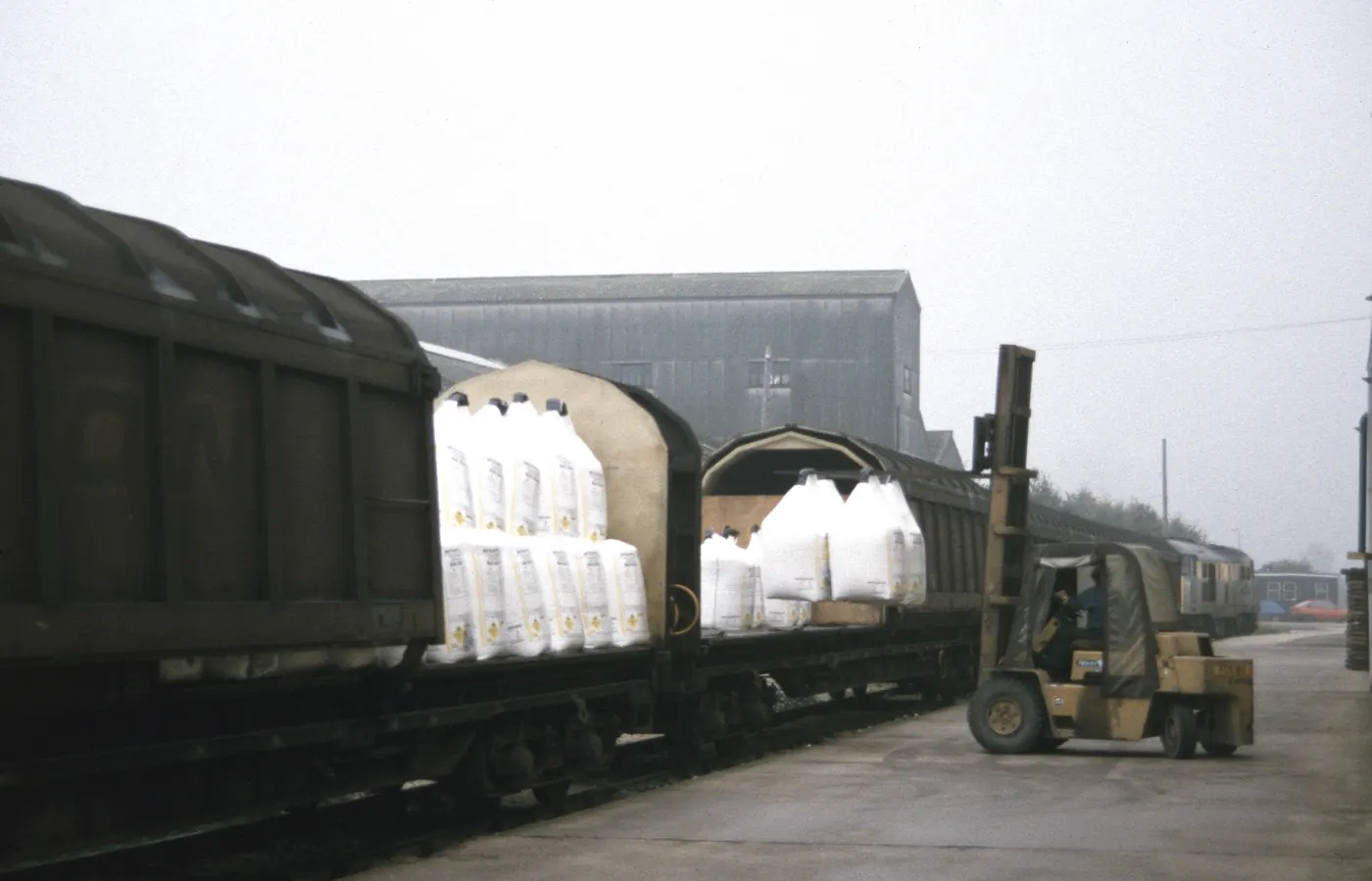
Illustrations show the standard Lion Global print on 25 kg bags and 1,250 kg big bags. Labelling can be adapted to the destination market's rules.
Woven PP bags, palletised and shrink-wrapped, labelled for the destination market.
Big bags (FIBC) with liner, for container, rail or break-bulk.
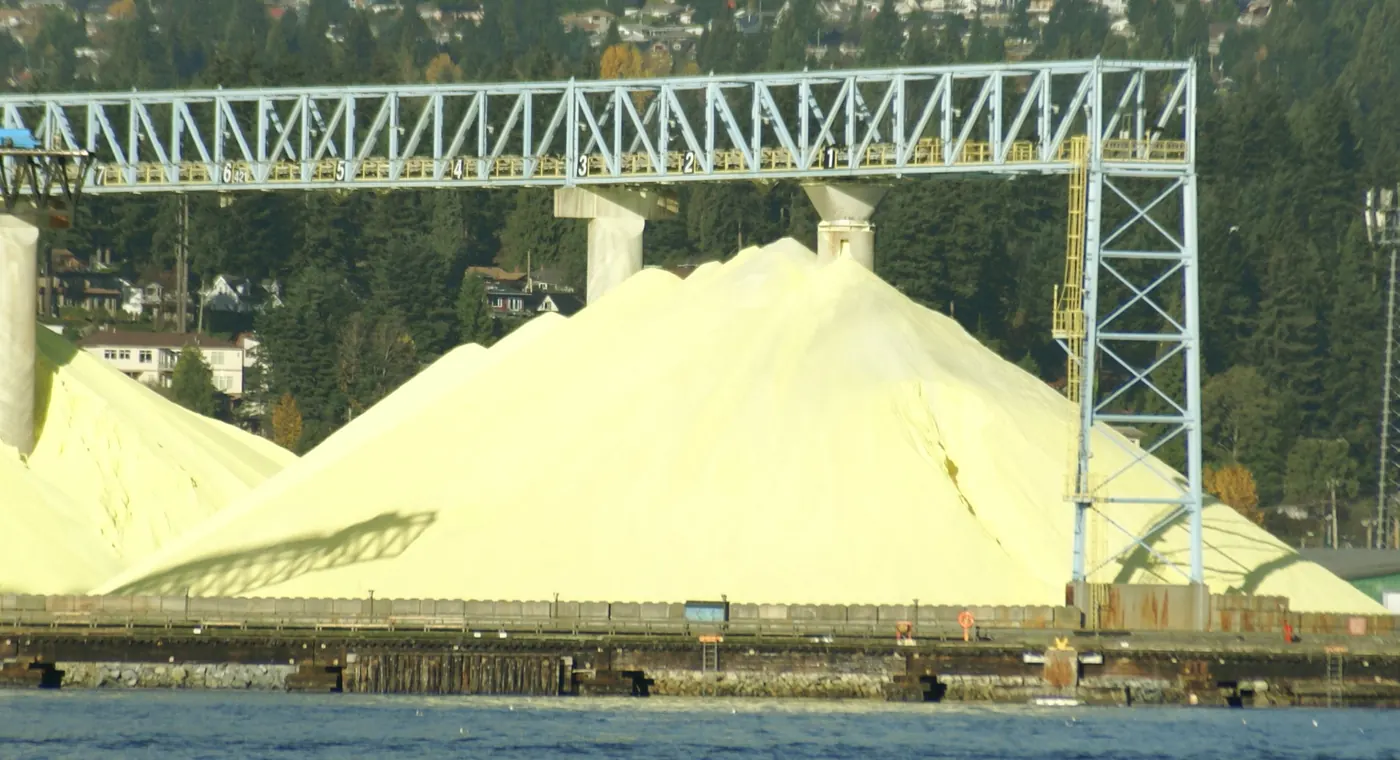
Loose in lined wagons or in the holds of bulk carriers for cargo-size programmes.
How an order moves
Form, purity, particle size, contaminant limits and end use — agreed in writing before anything else.
We allocate from the producing region that fits your route, timing and specification. No single-origin exposure.
Third-party sampling and analysis at loading. Certificates travel with the documents.
10, 25 and 50 kg bags, 500, 1,000 and 1,250 kg big bags, or bulk — labelled to your market's rules.
Container, rail or bulk vessel under FOB, CFR, CIF or any other Incoterm, on scheduled monthly liftings.
Holds inspected before loading. Suited to annual programmes with monthly liftings.
Wagons loaded from stockpile by conveyor, for inland and cross-border routes.
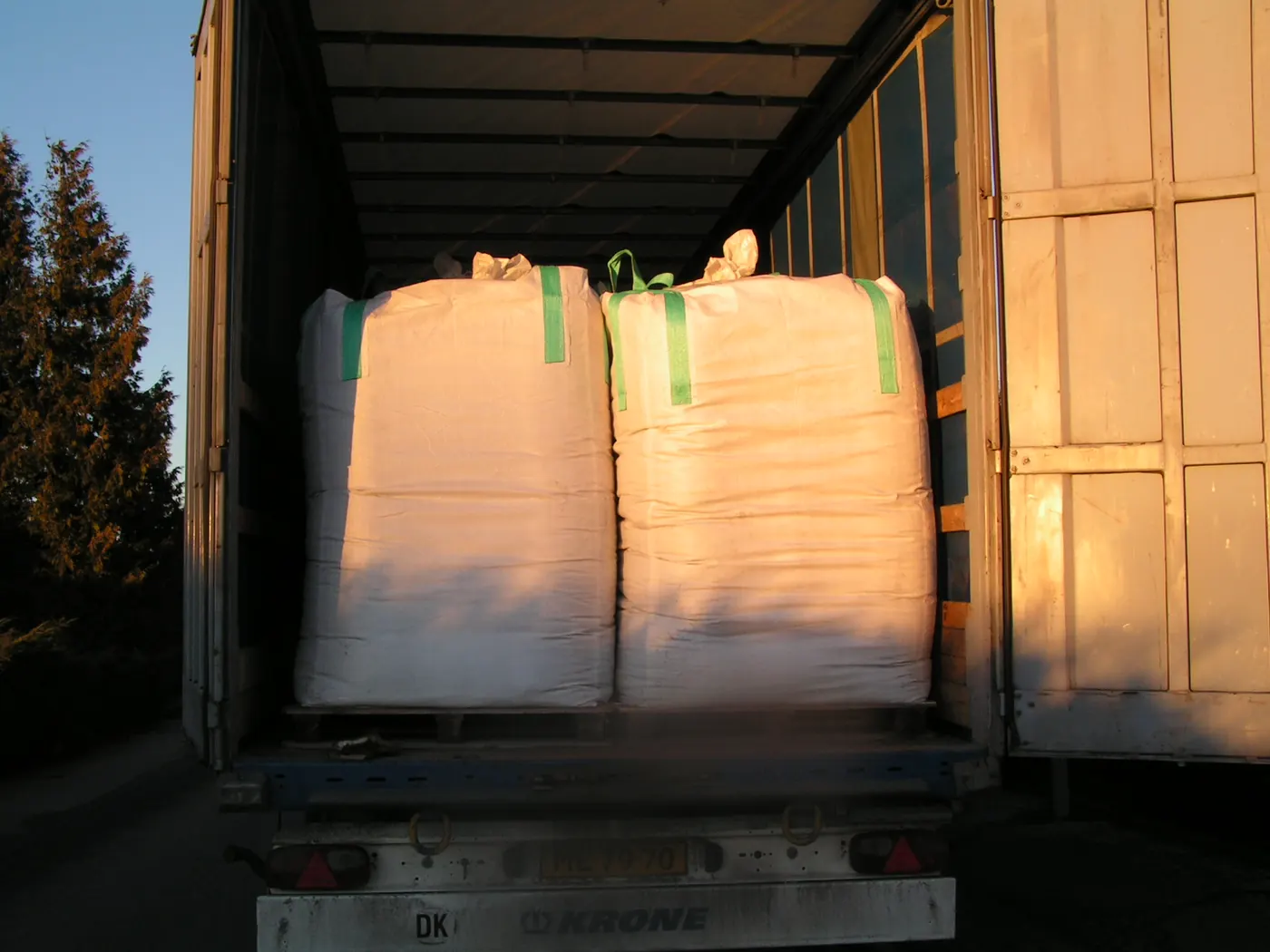
Bags or big bags in 20' and 40' containers for smaller lots and specialist grades.
We contract under all eleven rules. Most sulphur trades on FOB with a named load port, or CFR/CIF with a named discharge port — and comparing offers across those terms is where most pricing mistakes are made.
Where sulphur moves
Almost all sulphur is a by-product of refining and sour-gas processing, so supply cannot follow demand. We track every major export source and every restriction — and allocate our programmes across the ones that stay open.
Where the world's sulphur comes from
Total production ~85.8 Mt (2025E)
~10 t of sulphur for every tonne of nickel from Indonesian HPAL — the new driver of demand.
Figures: CRU, HDIN Research, SMM, Kpler and Lion Global analysis.
Product, quantity, destination port and Incoterm. With those four lines we can come back with availability, origin options and terms.
