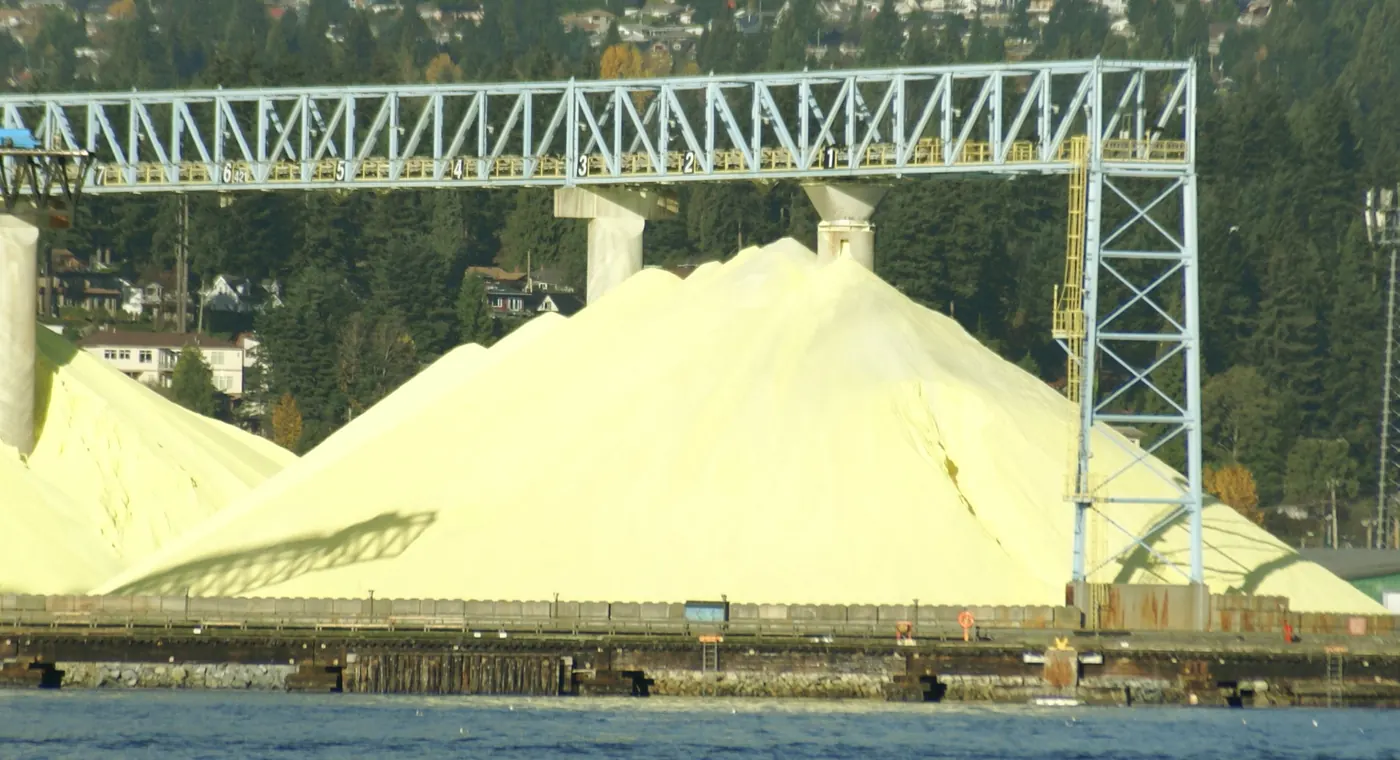
The sulphur market is closing the first quarter of 2026 with one of the most challenging tests in global trade history. Our field data from the last 10 days confirms that we are witnessing more than just a "price rally"—it is a structural "geopolitical deadlock."
Key strategic insights from our latest market analysis at Lion Sulphur:
1. "Paper Prices" vs. "Physical Reality"
While ADNOC and QatarEnergy kept March OSPs stable at $520–530/t FOB (rollover), the logistical bottleneck at the Strait of Hormuz has rendered these figures largely theoretical.
The Reality: Domestic prices in China have surged to $760–770/t (import parity). This is the clearest indicator that "security of supply" has now superseded "price sensitivity."
2. The Indonesia Factor: An Unexpected "Brake"
The operational halt at several nickel facilities in Indonesia (including PT QMB) has pulled approximately 260,000 tonnes of monthly sulphuric acid demand out of the market.
My Analysis: Under normal conditions, we would have seen prices skyrocket past $750/t CFR. However, this sudden drop in Indonesian demand acted as an "involuntary stabilizer," preventing a vertical price spike for the time being.
3. The Emergence of a "Two-Tiered Market"
The global market is currently fractured into two distinct zones:
- Inside Hormuz: Stranded Middle Eastern supply seeking an exit route.
- Outside Hormuz: Alternative origins (Canada and FSU) trading at record "opportunity premiums."
This creates a massive supply risk for markets like India and Indonesia, which remain heavily reliant on Gulf producers.
Critical Date: April 6th
The market is currently holding its breath in "wait-and-see" mode. The diplomatic and military decisions leading up to April 6th will dictate the trajectory of sulphur for the rest of the year.
- Scenario A: A limited opening of the corridor could lead to a price correction.
- Scenario B: Deeper conflict would transform sulphur into a "strategic, scarce commodity."
Conclusion: At Lion Sulphur, we believe that supply chain resilience is now more critical than profit margins. Liquidity is low and uncertainty is high, but a data-driven strategy remains the only way forward.