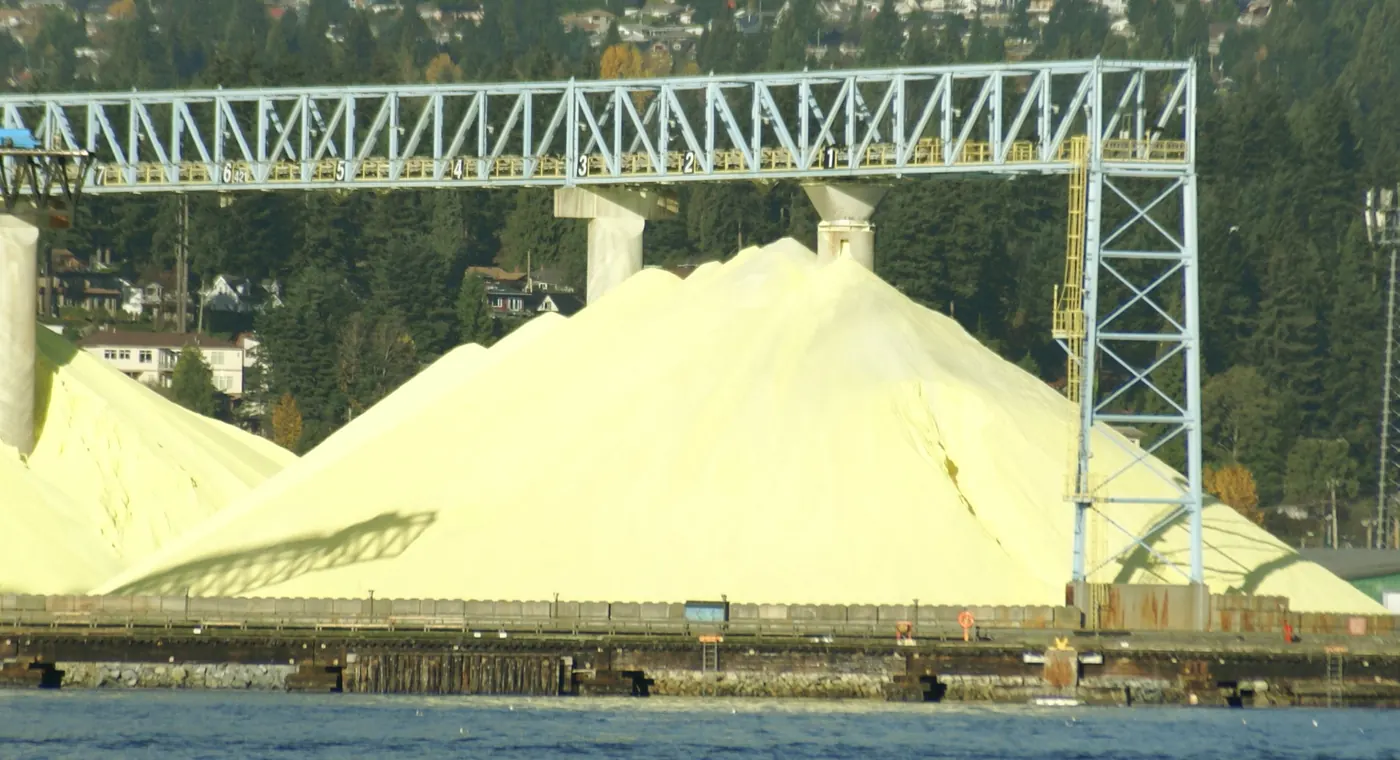
Heading into October, the sulphur market is in an unusual position. Supply constraints persist: the Strait of Hormuz remains a chokepoint, Gulf exports are limited, and Kazakh exports are running below normal levels. Prices are falling anyway, and demand destruction is the reason.
Prices are easing
Spot deals into Indonesia and North Africa have slipped to the mid-to-high $900s/t. Middle East FOB prices have dropped to the low $800s/t. QatarEnergy cut its October QSP to $835/t from $880/t in September.
Demand is weak
Q3 prices proved unaffordable for many consumers. Fertilizer producers have cut operating rates, and nickel producers in Indonesia and the chemical sector are also under cost pressure. Moroccan phosphate output is reportedly running at around 50–60% of capacity. In Europe, some consumers are reducing run rates, and some plants are closing permanently.
Q4 contract talks are tense
Suppliers are pushing for a rollover, while buyers want substantial cuts. Early North Africa discussions are reportedly well below Q3 levels. Some European buyers are opening talks with $100–150/t reductions.
Turkey stands apart
Tüpraş's October domestic tender closed almost flat on average. Izmit prices rose while Kırıkkale prices fell, and all awards cleared comfortably above the floor price. Domestic demand remains resilient despite global weakness.
China is on the sidelines
China is on holiday until 7 October, and port stocks are less than half of last year's level. Importers are bidding low and turning to domestic supply and smelter acid.
Next 30–60 days
I expect further softening in the short term. Buyers are reluctant to enter the market before they see where prices bottom out. However, with stocks low, a restocking round toward year-end could limit the downside and set a floor. The supply constraint hasn't gone away, so once demand recovers, the picture could reverse quickly.
For buyers, timing will be key this quarter. For suppliers, flexibility will be.