Last week, several sulphur benchmark prices rose amid market optimism driven by expectations surrounding China’s phosphate export quotas and a possible increase in demand from Asia. This week, most prices remained steady as those expectations eased and both China and Indonesia became more cautious about the pricing for freshly imported material.
Market activity in China remain subdued as the industry adjusts to newly imposed phosphate export quotas, which are reported to be lower in volume compared to last year. Domestic prices have fallen to RMB2,480–2,490/t FCA, equivalent to approximately $297/t CFR. In contrast, international import offers are still higher than $300/t CFR. This pricing gap has left Chinese buyers with little incentive to look abroad, while domestic buying activity has also slowed.
Indonesia has adopted a cautious stance. Until about two weeks ago, the country maintained a steady presence in the international market. Activity then tapered off amid uncertainty surrounding the timing of China’s phosphate quota release. Since that shift, demand has softened further, with buyers largely adopting a wait-and-see approach.
The weakened demand across Asia has influenced price stability in other regions. Both Canada and the Middle East have kept their prices unchanged. While transactions last week resulted in price increases last week, fading Asian demand has introduced uncertainty about whether other regions can sustain those levels, according to market participants.
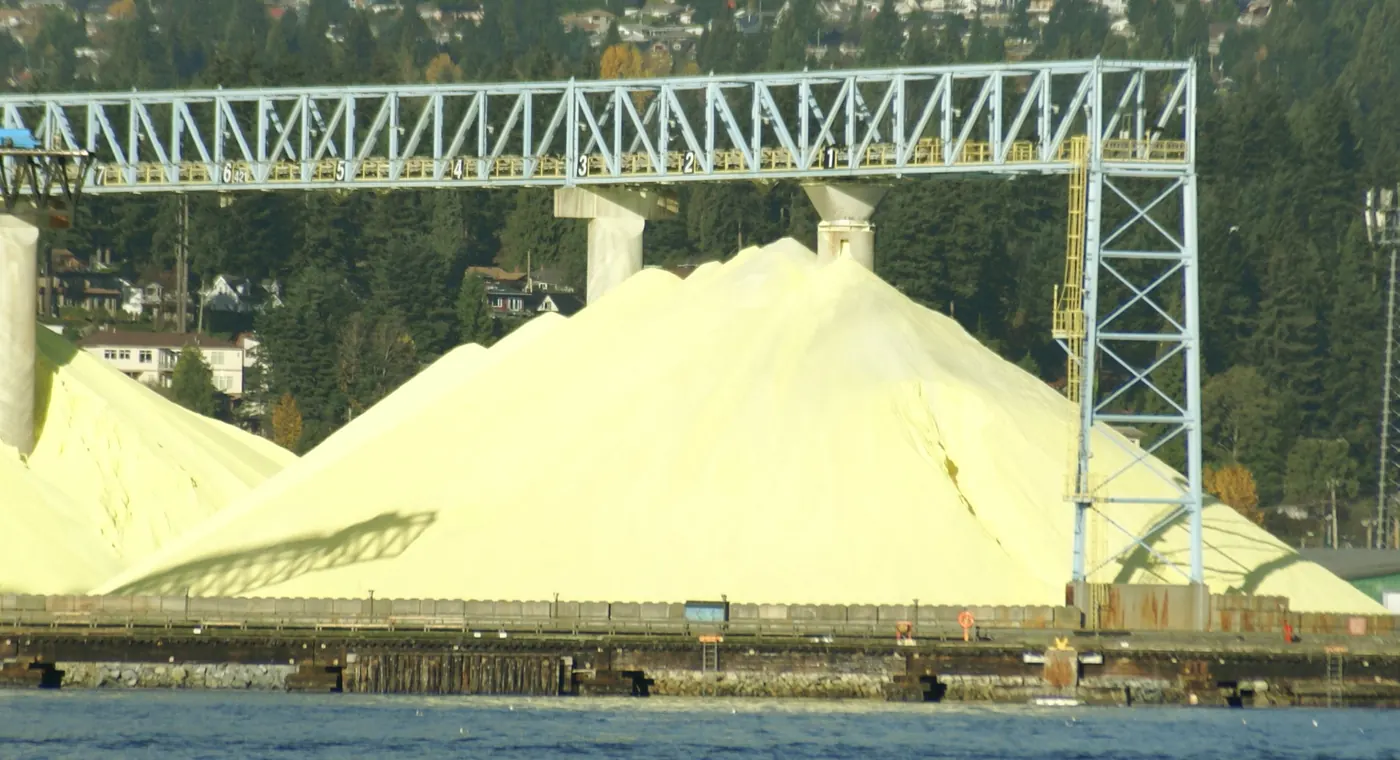
In Vancouver, prices were assessed flat, with limited market activity reported. In the Middle East, the most recent QatarEnergy tender is believed to have been awarded at the higher end of the current price range, according to industry sources, though the final price of the award could not be confirmed at the time of writing.
The Mediterranean market also held steady on both an FOB and CFR basis following last week’s $25/t price surge. Demand in the region remains healthy, and supply has tightened.
Despite current stability, the market sentiment leans slightly bullish. Still, further price gains are not expected in the immediate term, and clearer direction is likely to emerge after the NOC tender closes early next week.
In Brazil, delivered prices rose firmly into the $290s/t CFR range. This increase followed a recent tender, with the awarded material understood to have originated from the US Gulf, according to market sources. Brazil has managed to avoid paying $300/t CFR by timing its purchases well and sourcing material from the FSU.
Limited activity was also registered in India as buyers remain out of the international market with domestic supply meeting current demand requirements. With no fresh deals heard into the country, the delivered prices into India were assessed unchanged.