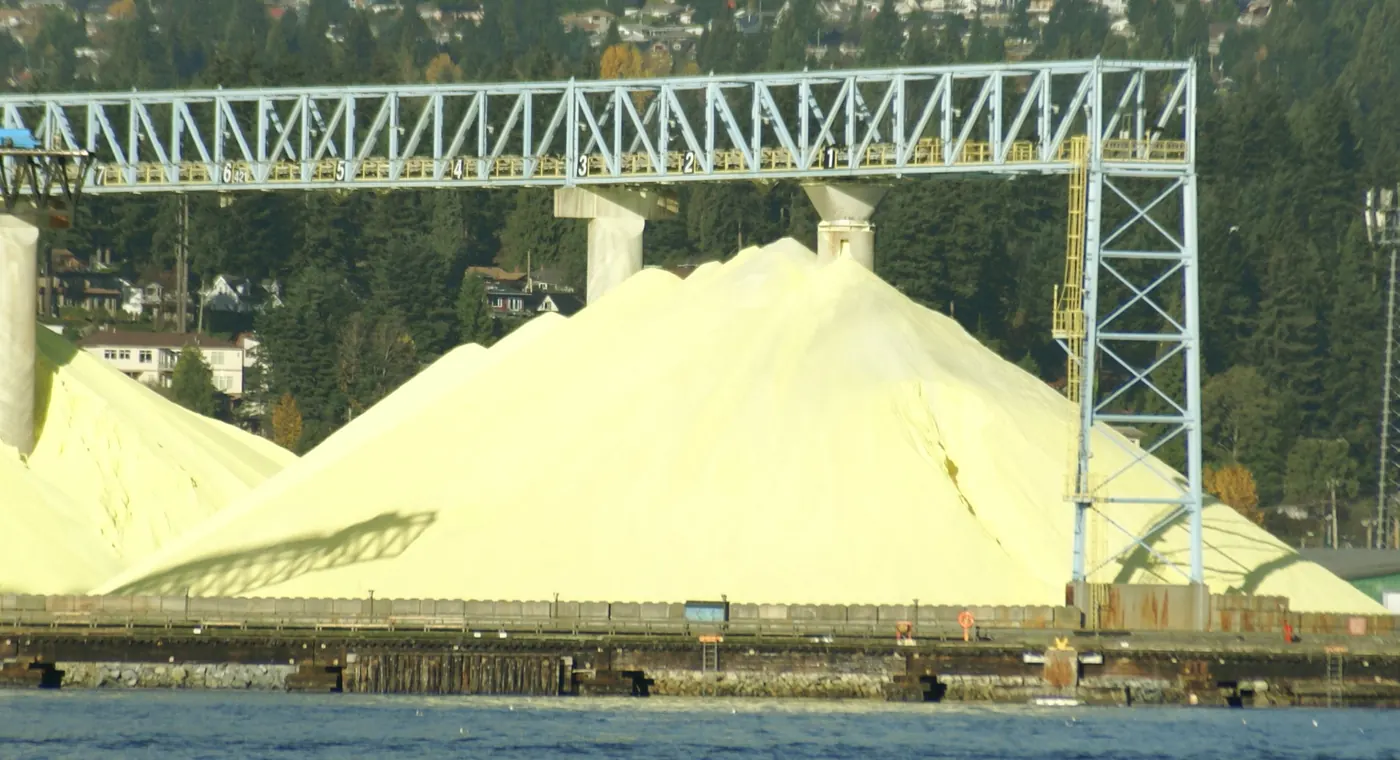
Delivered prices keep softening in the spot market. Appetite for prompt cargoes is thin, and sellers are getting more flexible to place available tonnes. More competitive offers from Vancouver and the Middle East are dragging price ideas lower into Asia, while buyers in China and Indonesia are happy to wait for lower levels.
The real issue is downstream. Fertilizer producers in North Africa, Brazil and China are running at reduced rates on weak downstream demand, and Indonesian nickel operations are below last year's pace. This isn't only a fertilizer story; industrial buyers are cautious too.
Freight is supporting costs, not prices. Hormuz-related risk, waiting times in the Gulf and rising bunker costs keep freight high on Middle East–Asia routes. Even so, sellers are accepting lower delivered levels to stay competitive, and buyers are in no hurry.
What I'm watching by region:
- Asia: Vancouver tonnes are being pushed harder into Asia, and Middle East sellers are trimming delivered levels into India and Asia to keep pace.
- China: softer domestic prices are weighing on imported sulphur.
- India: buyers are holding out for lower numbers; east- and west-coast deals are closing at different levels.
- Indonesia: buying interest has turned back to sulphur after vessels made it through Hormuz, but more domestic sulphuric acid availability gives buyers room to wait.
- North Africa: Q4 contracts have settled lower for most volumes, while Morocco continues to take large volumes.
- Phosphates: some producers have shut capacity on unworkable raw material costs, from SSP plants in Egypt to a temporary idling in Florida.
- Europe: some Q4 molten contracts in Benelux have been agreed lower.
- Central Asia/Russia: export flows continue, but November–December volumes are still unclear.
Contracts are pointing the same way. Q4 negotiations are finalising at substantial drops despite higher freight and bunker costs, so the spot weakness is being priced into term business too.
Phosphates are the swing factor. High sulphur costs are pushing phosphate producers into shutdowns and cuts, which weakens sulphur demand further. Softer sulphur may bring some cost relief there, but weak demand will likely cap the benefit.
My takeaway: buyers hold the bargaining power. For sellers, the priority is moving spot tonnes while protecting the contract book and keeping logistics costs tight. This is a controlled softening, not a collapse, and without a durable demand signal it's hard to see a turn upward.