
Sulphur, represented by the symbol “S” in the periodic table, is an element of group 6A with atomic number 16. It is a flammable substance that can be used in powder or liquid form; its dust can form explosive mixtures with air. Sulphur is an indispensable product in many sectors, from health to industry. Some plants and animals also contain sulphur in their structure. Both in nature and in industry, elemental sulphur is formed by the precipitation of H2S and SO2 gases through oxidation.
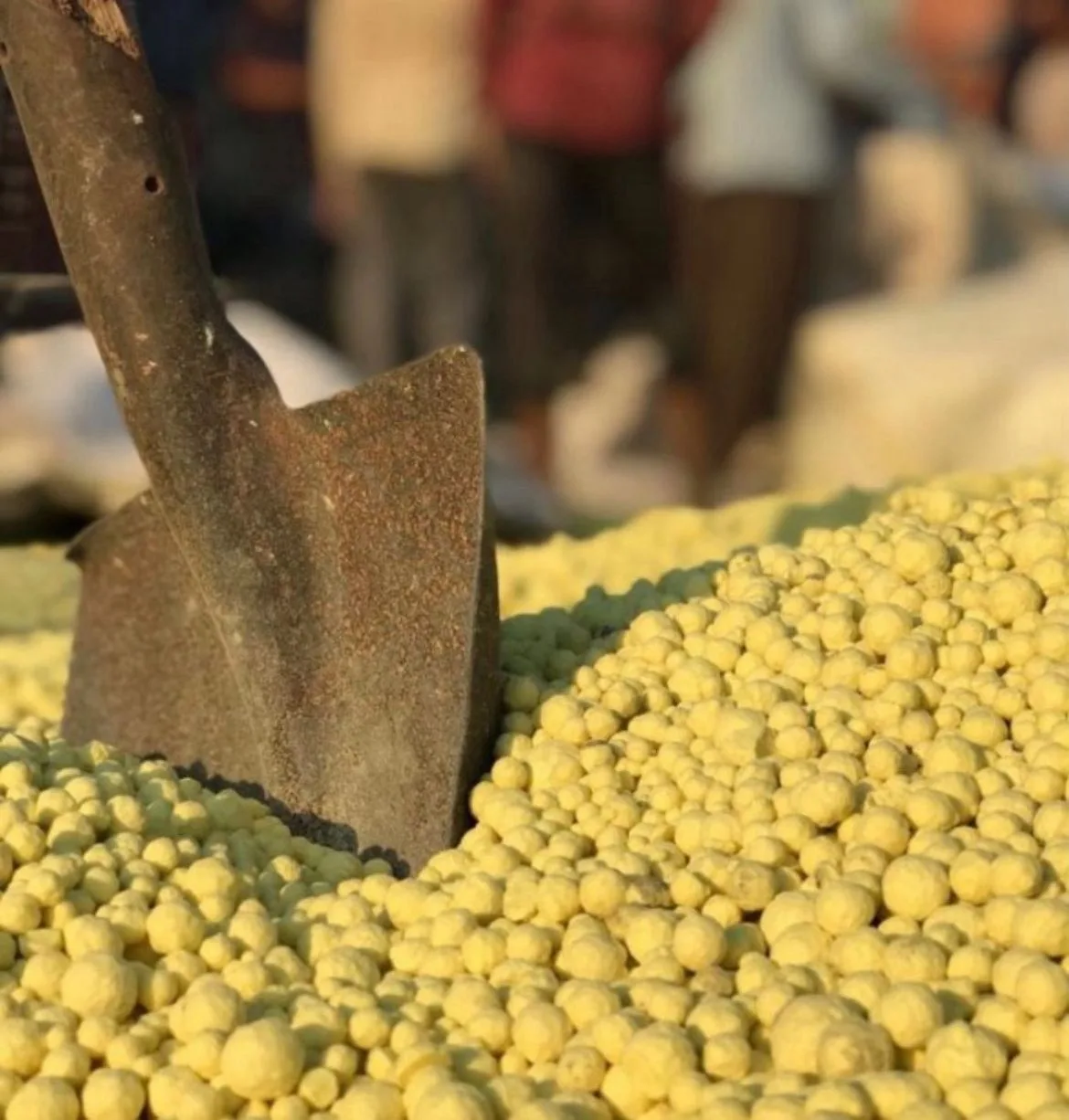
Where Is Sulphur Used?
Sulphur is one of the essential components of industrial production, above all of sulphuric acid. Large quantities of sulphur are used to produce sulphuric acid, which is very widely used in industry. The main products and sectors that use sulphur, sulphuric acid and its compounds are:
- Chemical and agricultural industry
- Feed additives
- Synthetic resins
- Fertilisers and fertiliser additives
- Veterinary medicines
- Detergents
- Explosives
- Fireworks
Where does sulphur come from?
Sulphur is the tenth most abundant element by mass in the universe and the fifth most abundant on Earth. In nature it is sometimes found in its pure, native form, but it usually occurs in sulphide and sulphate minerals. Because native sulphur is plentiful, it has been known since antiquity: its use is mentioned in ancient India, Greece, China and Egypt, and in older English texts it is called “brimstone”, meaning “burning stone”.
Today almost all elemental sulphur is recovered as a by-product of removing sulphur-containing impurities from natural gas and petroleum.
Its largest use: sulphuric acid and fertilisers
The largest commercial use of sulphur is the production of sulphuric acid for sulphate and phosphate fertilisers and other chemical processes. Sulphur is also used in matches, insecticides and fungicides.
An essential element for life
Sulphur is essential for all life and is a macronutrient for all living organisms. It is part of the amino acids cysteine and methionine and of the vitamins biotin and thiamine; the disulphide (S–S) bonds it forms give mechanical strength and insolubility to the protein keratin in skin, hair and feathers.